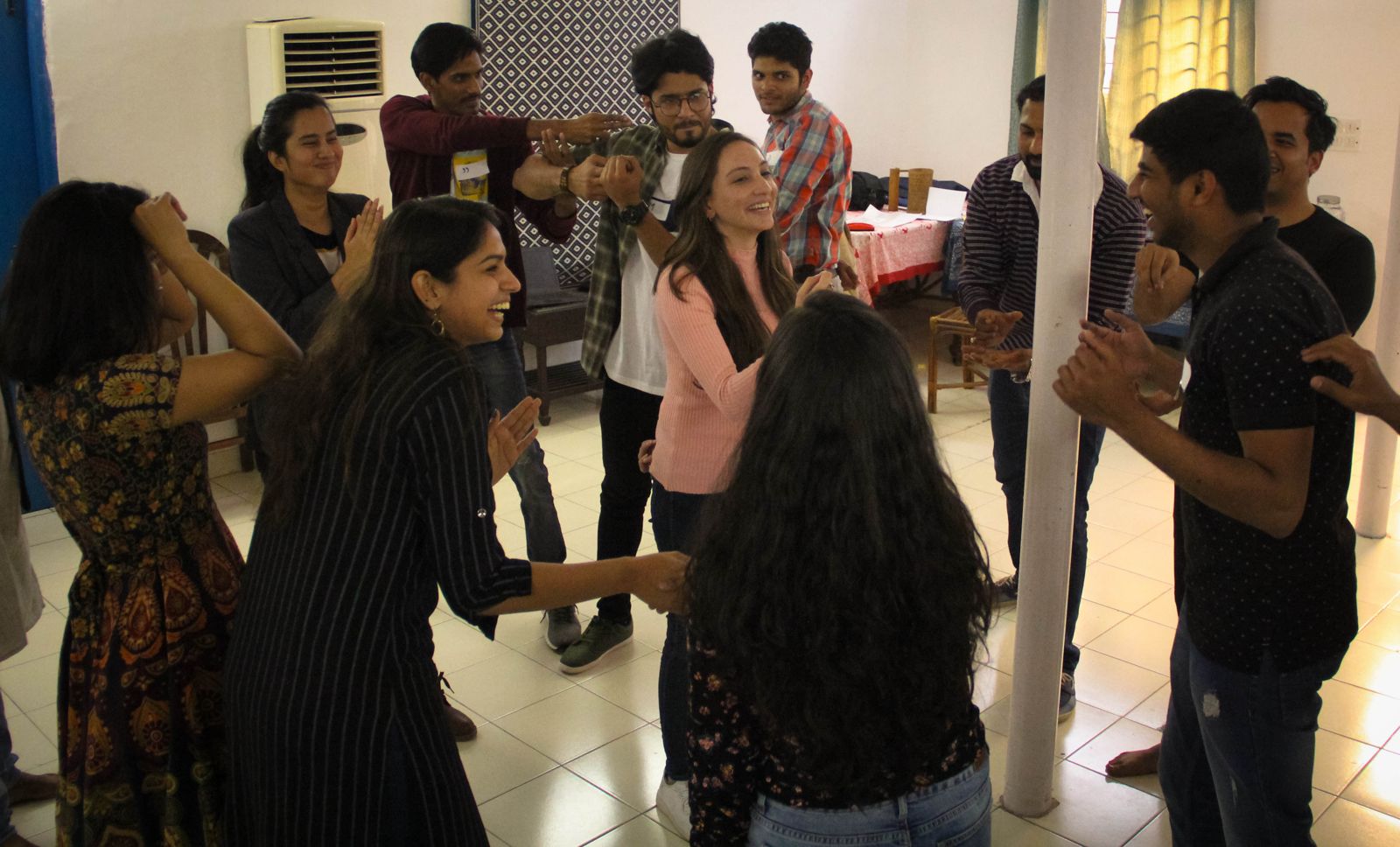
How do you know a team building workshop actually worked?

Most companies find out the same way: the room was laughing, nobody left early, and somebody said it was the best offsite in years. Then three months later the same two departments still aren't talking.
Smiles are not evidence. They are worth something — a bored room learns nothing — but they tell you people enjoyed a day, not that anything changed afterwards.
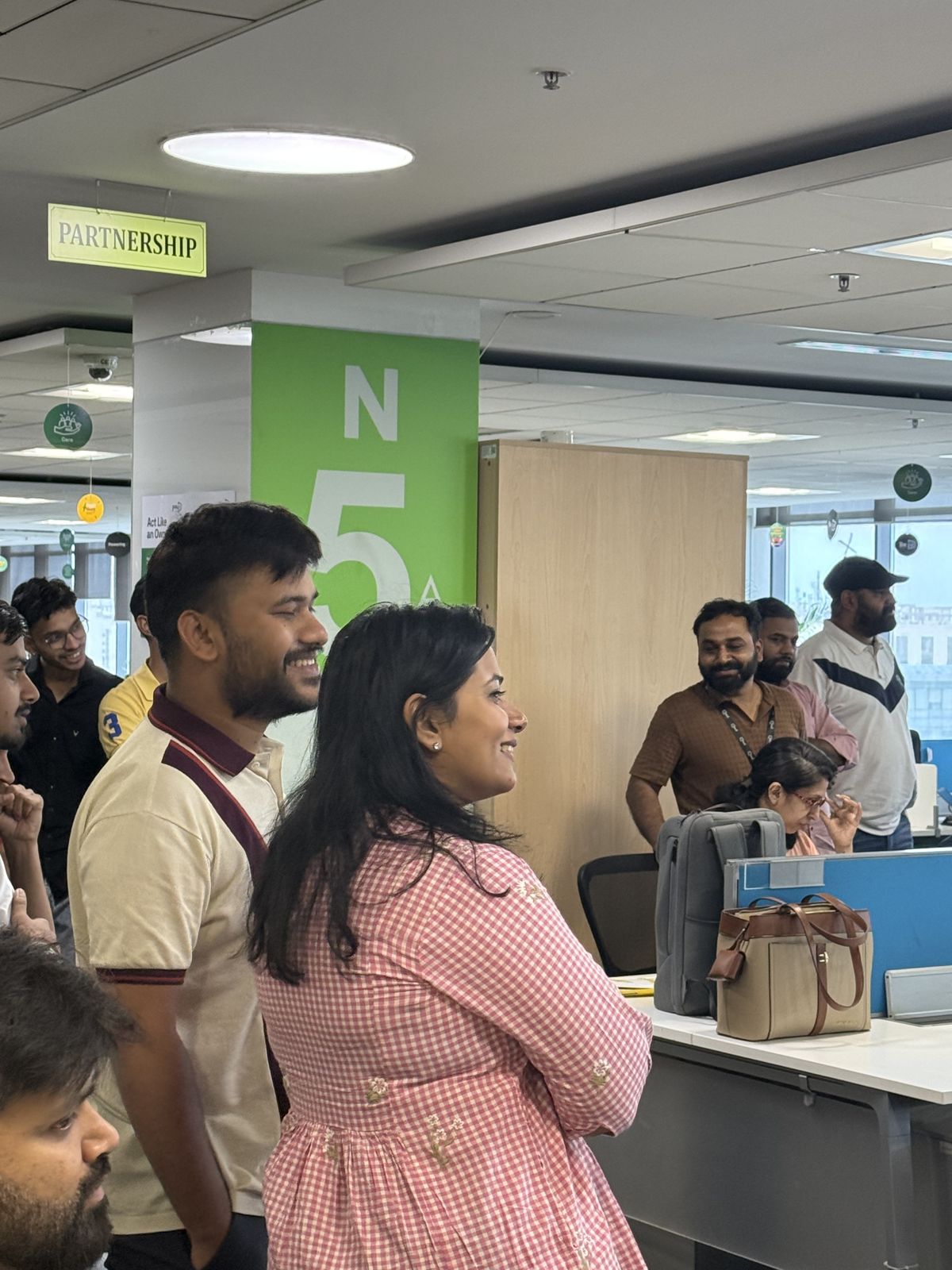
Here is what can actually be measured, in the order it gets harder, and what to ask a provider before you book one.
The four things you can measure
Training people have used the same four levels since the 1950s, and they still hold.
1 · Did they like it?
A feedback form at the end. Easy to collect, and the only thing most companies ever gather. Useful as a floor, not a finding.
2 · Did they learn anything?
Can a participant explain the idea the next day, in their own words? One question in the feedback form gets you this: what is the one thing you will do differently? Vague answers mean the session was enjoyable and empty.
3 · Did behaviour change?
The one that matters, and the one almost nobody checks. It needs a second look 30 to 90 days later, usually from the person's manager rather than the person.
4 · Did the business change?
Attrition, engagement scores, cycle time. Real, but slow and hard to attribute — a workshop is rarely the only thing that happened that quarter.
Most providers stop at level 1 and don't publish even that. A provider who measures level 2 is unusual. A provider who measures level 3 is rare enough that you should ask them to show you.
The four questions to ask before you book
"What did your last three sessions score, and how many people responded?"
A score with no sample size is decoration. 4.6 out of 5 from nine people in a room of forty tells you the nine who liked it filled in the form.
"Can I see a feedback form from a session that went badly?"
The most revealing question on this list. Everyone has had one. A provider who can describe it, and what they changed, is a provider who reads their own data.
"Who will actually be in the room?"
Not "experienced facilitators" — a name, and what they have done. The person who sells you the workshop is often not the person who runs it.
"What happens at 30 days?"
If the answer is nothing, you are buying an event. That can be the right purchase — a good event is worth having. Just know which one you are buying.
What measurement looks like when it is done properly
For a fintech company, Tamasha staged one company behaviour as a short play, performed where people already sat rather than in a conference room: eight performances across three cities.
The measurement was a survey of 137 employees:
- 4.78 out of 5 average rating
- 97.1% said they understood the behaviour and felt confident applying it
- 99.3% wanted more sessions of this kind
That second number is the interesting one. It is closer to level 2 than level 1: it asks whether something was understood, not whether it was enjoyed. It is still self-reported, and it is the number most likely to be low, which is why it is rarely published.
At a public workshop led by the actor Neeraj Kabi, 47 people came over two days and 15 filled in the feedback form. Fourteen said they would recommend it at 10 out of 10, and one at 9. Our slider started at 10, so those scores are probably flattering. The stronger signal is that 12 of the 15 asked for a longer, advanced course. Wanting more of something says more than liking it.
What is not measured here, and should be: none of those numbers is level 3. They describe what a room thought on the day, not what a manager observed eight weeks later. A 30-day manager check is the obvious next step, and any provider claiming behaviour change without one — including us — is claiming more than the evidence supports.
A reasonable minimum
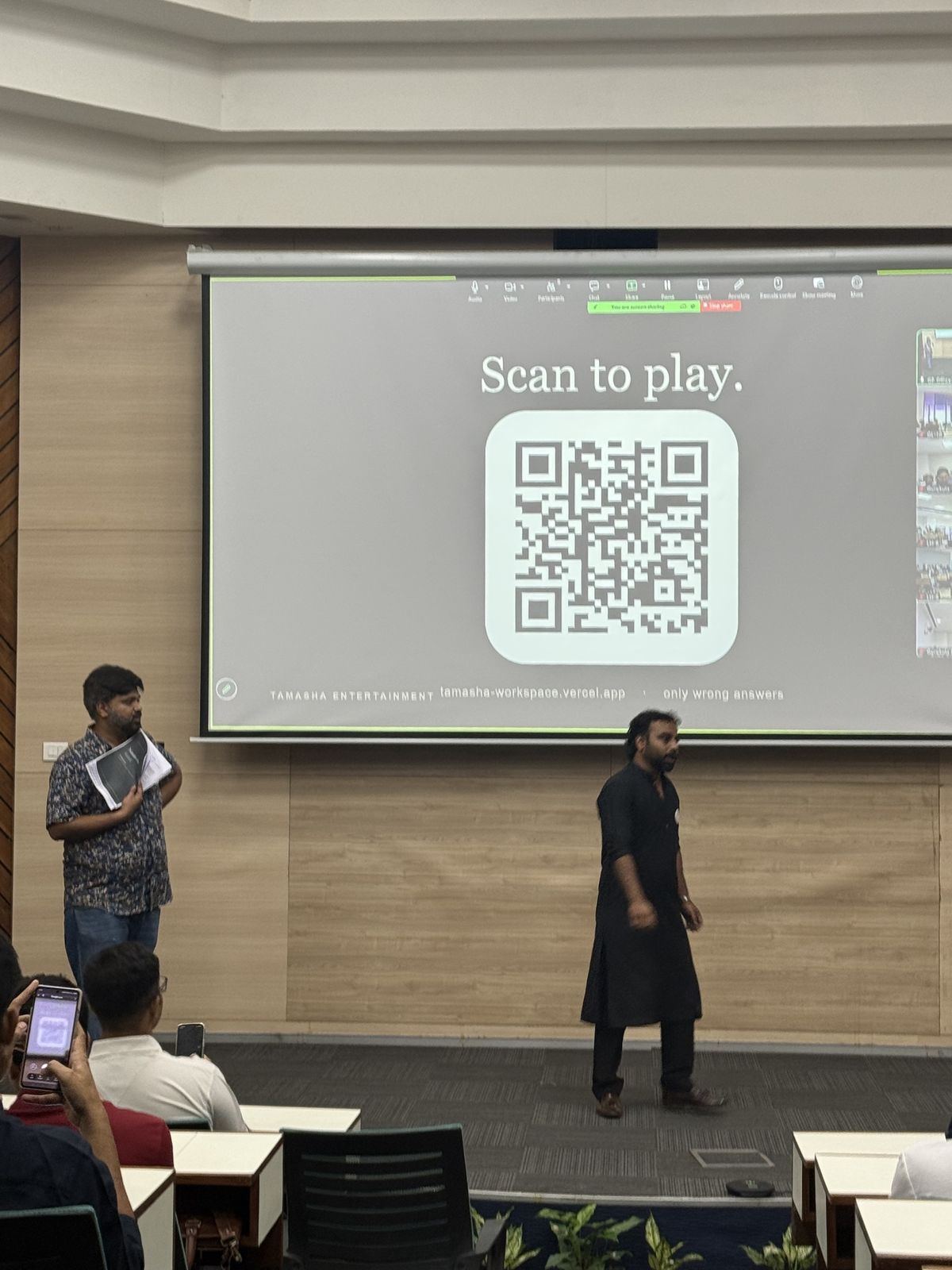
You do not need an evaluation framework. You need four things:
- A feedback form with the number of responses printed next to the score
- One open question: what will you do differently?
- A short manager check at 30 days: has anything changed, yes or no, one example
- The same three for every session, so this year can be compared with last
That is perhaps twenty minutes of work per workshop, and it puts you ahead of almost every buyer and most providers in this market.
Why so little of this exists
We looked at other companies offering theatre and drama-based corporate training in India, large and small, Indian and international. None of those we checked publishes a measured outcome of any kind. Not a score, not a sample size, not a follow-up.
That is not an accusation of poor work. Plenty of them are very good, and measurement is genuinely hard: attendance is voluntary, effects are slow, and attribution is messy.
But it does mean the category asks buyers to take a great deal on trust. If you are spending real budget on a day of people's time, the question how will we know deserves an answer before the invoice, not after.
Tamasha Entertainment runs applied-theatre workshops for corporate teams from Gurgaon — team building, behaviour change, diversity and inclusion, and leadership sessions led by working actors. Our published numbers are above. Ask us the four questions.