+What is theatre-based corporate training?
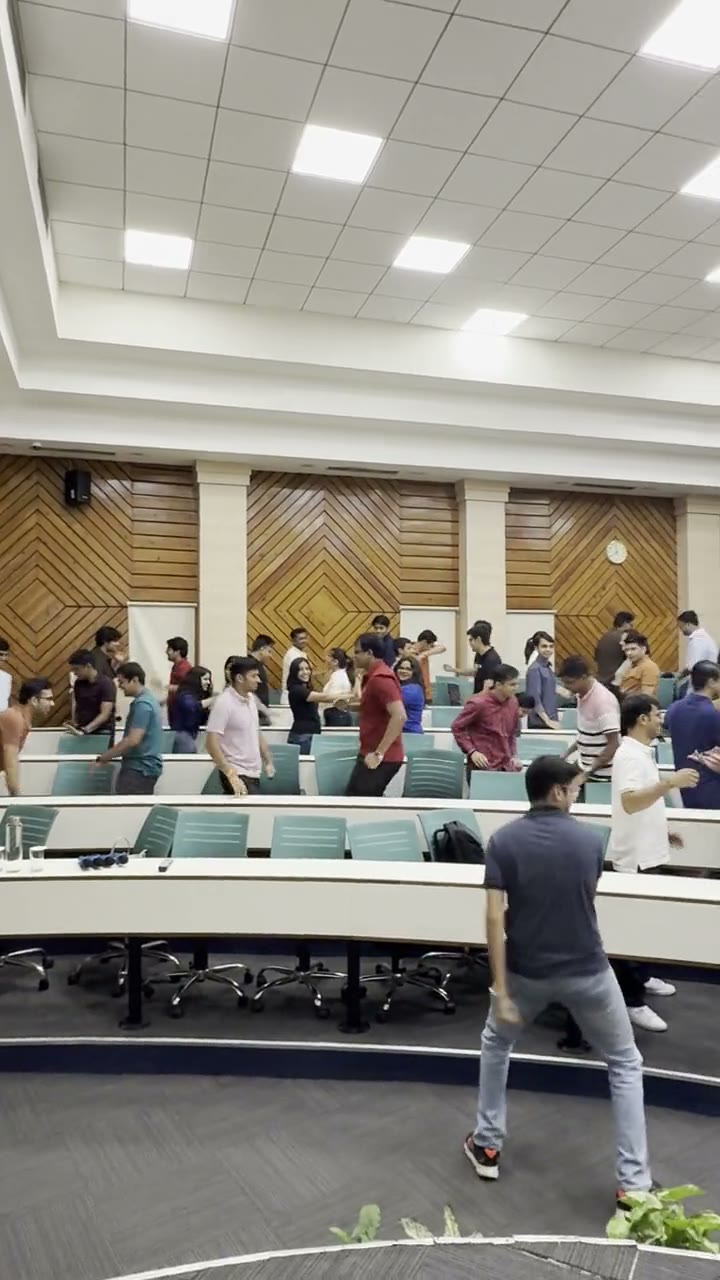
Theatre-based corporate training uses the tools of the stage — devised scenes, role-play, improvisation and embodied rehearsal — to change how a team behaves, communicates and collaborates. Instead of slides, participants get up and do: they play out the real situations they face at work and rehearse better responses. Tamasha's Theatre Effects runs these workshops with working theatre actors, not generic facilitators.
+How is applied theatre different from a normal workshop or a motivational session?
A normal workshop tells; applied theatre shows and makes participants do. The learning is experiential and physical, so it sticks longer than a lecture or a one-off motivational talk. Because the scenes are devised around your team's actual situations, the workshop is customised rather than off-the-shelf.
+What does Theatre Effects run?
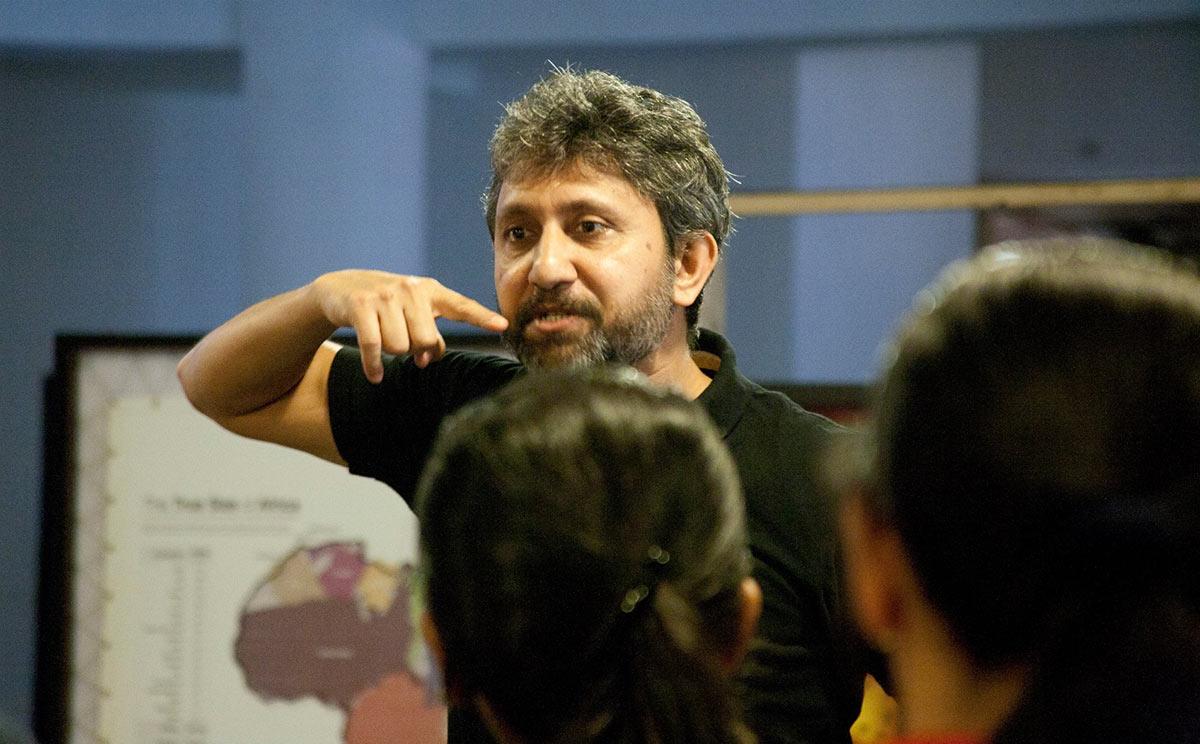
Four groups, all built on one method: your people on their feet, not in front of slides. People and culture workshops - team building, diversity & inclusion, floor activation, behaviour change and communication — each built around your problem after a co-design call. Celebrity Workshop — leadership workshops led by acclaimed artists such as Neeraj Kabi and Arif Zakaria. AI Games — live games played on everyone's own phone. Micro Courses — live craft breaks by working artists.
+How long is a Theatre Effects workshop, and what formats are available?
There are four formats: a 4-hour Drama Teaser for first exposure, an Online Interactive for distributed teams, a 2-day Deep Dive for intact teams ready for measurable change, and a 5-day residential EPIC for leadership cohorts and high-stakes culture work. Most engagements start with a Drama Teaser and graduate to a Deep Dive once a sponsor is in place.
+How many people can attend, and can it scale to a large town hall?
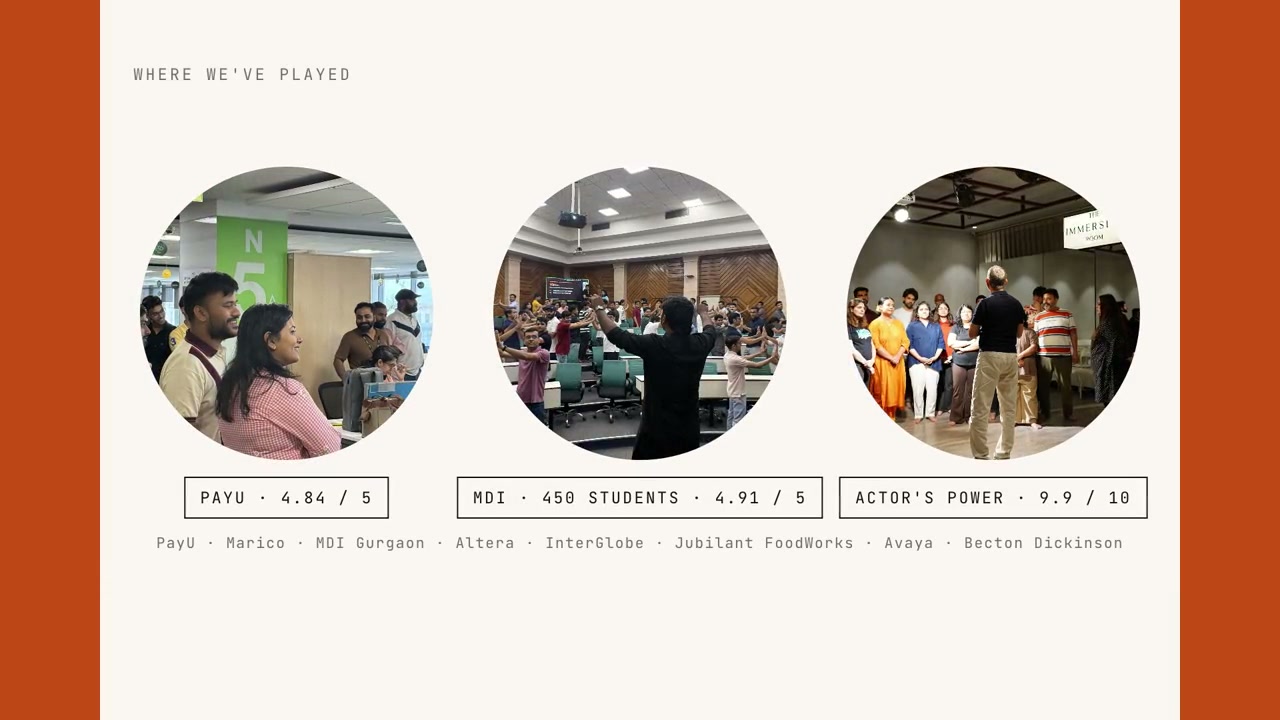
Group workshops typically run with intact teams of 20–40, while floor activations and town-hall performances scale to 500 or more through parallel rooms. Tamasha has delivered floor activation for PayU across three cities and induction for a 450-strong cohort at MDI Gurgaon.
+Which companies has Tamasha run theatre-based training for?
Named clients include PayU, Marico, MDI, ITC, L&T, InterGlobe Aviation, Becton Dickinson, Avaya, AVON and EdgeTech, across 22 corporate engagements reaching more than 2,000 individuals. Case studies with primary-source numbers are published for PayU, Marico and InterGlobe Aviation.
+Where is Tamasha based and where do you deliver workshops?
Tamasha Entertainment is based in Gurgaon and delivers workshops on-site across India, as well as online for distributed teams. Founder-director Deepankar Mukherjee leads the applied-theatre practice with a working theatre ensemble.
+How much does a corporate theatre workshop cost?
Pricing depends on the format, cohort size and how much co-design the programme needs, so Tamasha quotes per engagement rather than listing a rate card. The usual first step is a 30-minute diagnostic call, after which you receive a one-page treatment with a scoped proposal.
+Do employees find it uncomfortable or embarrassing?
First-time participants often expect to be put on the spot. The design avoids that — observers are just as engaged as participants, and no one is forced to step in. The discomfort, when it exists, is the productive kind: the scene holds up a mirror to something real.
+Can this be done online?
Yes. Our Online Interactive format is designed for distributed teams — it uses breakout rooms, live scene work via video, and structured debrief tools. It's not a webinar with actors; it's a proper workshop over Zoom or Teams.
+We have a very specific internal situation. Can you tailor the content to it?
That's the default, not the exception. Every engagement starts with a 30-minute diagnostic call where we listen for the behaviour — not just the topic. The scenes are devised around your context, your language, and your real friction points. Nothing is off the shelf.
+How involved does our L&D team need to be in building the workshop?
We schedule two co-design sessions with your L&D lead — typically 90 minutes each. You bring the context and the real cases. We bring the theatrical craft. You review the script before it goes to the room.
+Can we use our own case studies or real incidents?
Yes, and we encourage it. Disguised versions of real incidents land harder than invented scenarios. We work with you to anonymise appropriately while keeping the emotional truth intact.
+How do you measure whether it worked?
Every engagement includes a post-session survey (we share the instrument in advance). For longer programmes, we offer a 90-day behaviour pulse — a short check-in with managers on whether the targeted behaviour has shifted. Our PayU engagement returned 4.78/5 across 137 surveyed employees.
+Who are the facilitators? Are they corporate trainers?
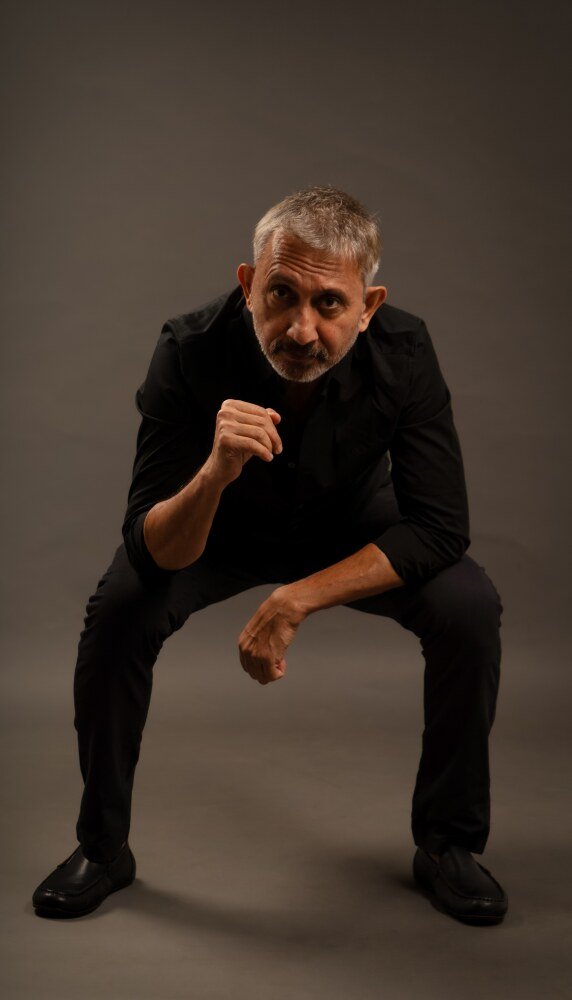
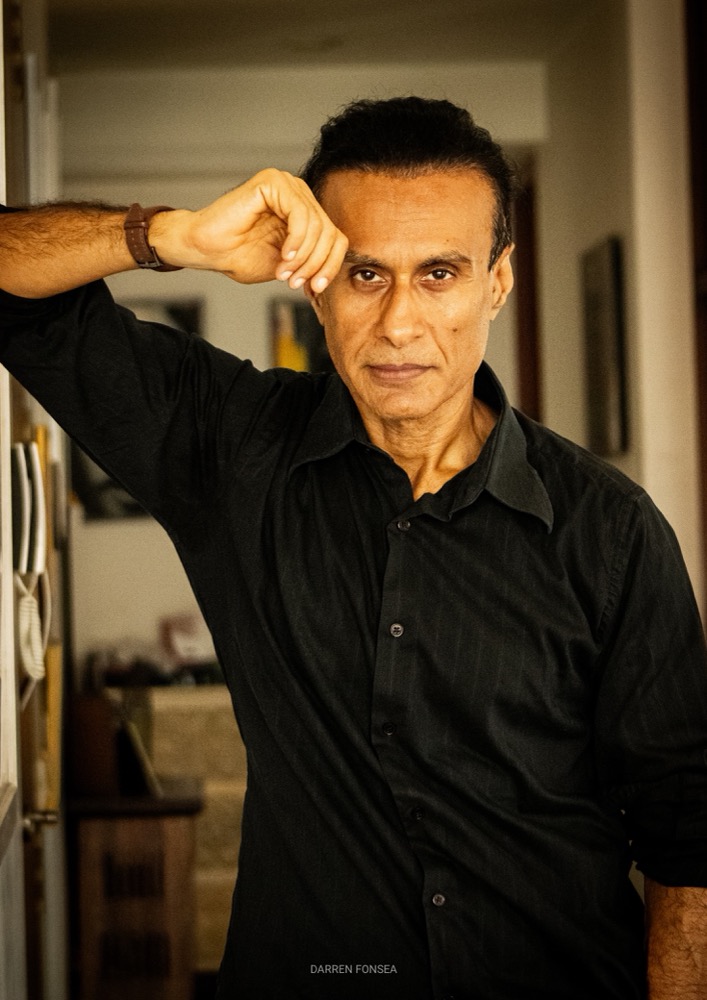
They are working theatre artists — actors who perform on stage and on screen under the Tamasha banner (Macbeth in Hindi, 25+ films, performances at Akshara, IIC, Stein). The same artists who work your workshop are the artists on our stage.
+Can we get a capability deck or proposal before committing?
Yes. Book a 30-minute call and we'll send a one-page treatment by Friday — tailored to your stated need, no generic deck.
+We've tried simulation-based training before. How is this different?
Simulations usually have a right answer built in. Applied theatre surfaces the grey — participants argue, redirect, and discover the answer themselves. The facilitator doesn't correct; the scene does.
+Is there any Indian evidence for what actually reduces bias at work?
Yes, and it is randomised. Matt Lowe's field experiment assigned 800 men from caste-segregated rural India into month-long cricket leagues, some with mixed-caste teammates and some facing mixed-caste opponents — cross-caste interactions with opponents were 50 percentage points more likely to be hostile than the same interactions with teammates. Contact helped when people were on the same side and hurt when they were on opposite sides. Lowe studied cricket rather than workshops, so the transfer to what we run is our inference rather than his finding.
+Why do you say most corporate team building is structurally adversarial?
Because most of it is built on competition — teams, points, a winning side — and the Indian randomised evidence suggests that is the arrangement that makes contact worse rather than better. If cooperative contact is what moves attitudes, a day spent beating the other department is working against the thing it was bought to do. We design rooms where people make something together instead.
+How do you turn one of our stated company behaviours into a workshop?
We find the person who absorbs the behaviour's absence and build the scene around them. A behaviour is a noun, and nouns are unstageable — you cannot direct an actor to play ownership — so the protagonist is never the person missing the behaviour, it is the person paying for its absence. For PayU's “Act Like an Owner” that meant the scene followed a manager drowning in escalations, not an employee shirking. Nobody watches a scene about their own failure; everybody watches a scene about the damage it does to someone they recognise.
+Why professional actors rather than facilitators?
A facilitator performing a funny script gets a polite laugh; an actor gets the other kind — the one that arrives a half-second too early, from people who have just recognised their own Tuesday. That recognition is the entire mechanism. Our performers are working theatre artists who act on stage and on screen under the Tamasha banner.
+Why perform on the office floor instead of booking a conference room?
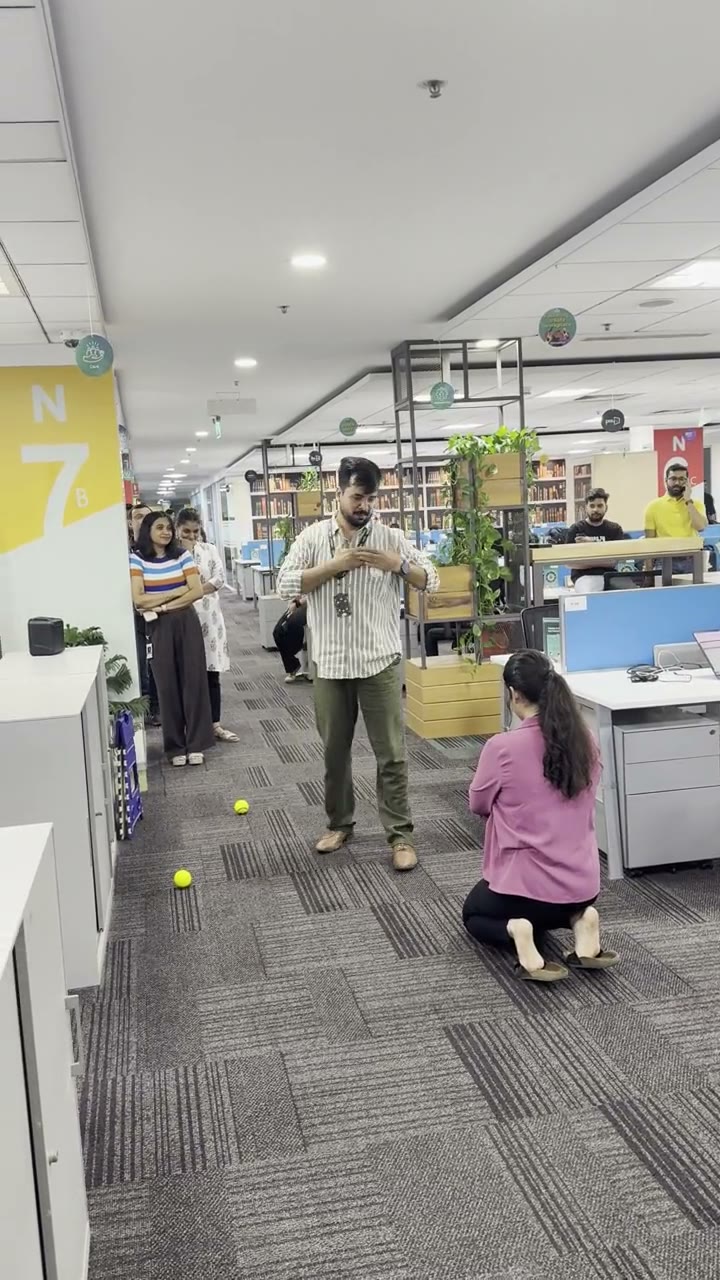
Because a conference room requires a calendar invite, and a calendar invite turns an audience into attendees. Performing in the aisles where people work makes watching voluntary — anyone can walk away at any moment, which is a far harder test than a mandatory room and a much better signal when they stay.
+Our team hated the last team building day. Why would this be any different?
The complaint is usually about compulsion rather than the activity. Research from the University of Sydney found that employees frequently resent compulsory bonding, that the intended benefits fail to materialise for people who feel forced into it, and that even nominally optional events often feel implicitly mandatory. We default to a voluntary ask, which is why we perform on the floor rather than filling a booked room.
+Should we make attendance mandatory so everyone gets the message?
We would push back on that. Compulsion is the most reliable way to produce resistance to the message you are paying to deliver, and the effect is documented in both team-building and diversity research. A smaller voluntary room that chose to be there will do more for you than a full room that was told to attend.
+Isn't this just forced fun with extra steps?
Forced fun asks employees to perform enjoyment on command, which is the part people resent. We ask them to watch something, or to work on a situation they already recognise. Nobody is made to be funny, nobody is picked out, and observers are as much a part of the session as participants.
+What is the most common mistake companies make with diversity and inclusion workshops?
Treating it as an awareness problem. AIMA and KPMG's 2026 study found that 55% of employees say their organisation has a well-defined process for assessing leadership candidates, while only 28% believe that process is fair and transparent. Nobody inside that 27-point gap needs to be informed that bias exists; they are describing it precisely. The gap is between the stated system and the lived one, which is a different thing to work on.
+We run an engagement survey and quarterly parties. Why isn't engagement improving?
Because an event does not answer what the survey surfaced. The recurring criticism of engagement programmes is that feedback leads to no visible action, and that a lunch cannot fix poor communication, workload or manager quality. If your survey is telling you about pay, progression or a specific manager, a workshop is the wrong purchase and we will say so on the call.
+Can a workshop fix low morale or attrition?
No, and anyone who tells you otherwise is selling. Morale and attrition are driven by pay, progression, workload and the quality of individual managers — none of which a session changes. What a session can do is make a specific behaviour visible, give people a shared language for it, and make it discussable on the floor afterwards.
+How do we know it worked, and what will you not claim?
Training has used the same four levels since the 1950s: did they like it, did they learn it, did behaviour change, did the business change. Almost every provider stops at the first and reports it as success. We will show you levels 1 and 2 honestly, and we will tell you plainly that no provider — ourselves included — can claim behaviour change without a 30-day manager check.
+What should we ask any provider before we book, including you?
Four questions: what exactly will be different afterwards, who will observe it, when will they look, and what number would tell you it did not work. A provider who cannot answer the last one is selling a day out. Our Notes piece on measuring a workshop sets out all four in full.
+Does theatre-based training work in Indian corporate culture, where juniors rarely speak up in front of seniors?
That hierarchy is the reason the form suits Indian offices rather than an obstacle to it. In a scene the risk is carried by a character, not by the employee playing them, so a junior can show a senior what a conversation feels like from the other side without ever having to say it as themselves. The distance is the safety, and it is why devised scene work gets further in a deferential room than an open-floor discussion does.
+Can workshops be delivered in Hindi, or bilingually?
Yes. Our devised scenes for Marico ran bilingually in Hindi and English, which is how most Indian offices actually argue, and the ensemble performs Macbeth in Hindi on stage. Other languages depend on casting for that engagement, so raise it on the co-design call and we will tell you plainly whether we can staff it.
+What is a nukkad natak, and can it carry a corporate message?
A nukkad natak is Indian street theatre — performed without a stage, lights or microphones, in the space where the audience already is. That makes it the right form for an office floor: the performance comes to people at their desks rather than asking them to assemble. Tamasha devises nukkad nataks around a single named behaviour and performs them in the aisles between workstations.
+What is forum theatre, and how is it used in corporate training?
Forum theatre is a technique from Augusto Boal's Theatre of the Oppressed in which a scene is played once, then replayed with the audience free to stop it and replace a character to try a different choice. In a corporate room it turns a disagreement people normally avoid into something they can rehearse out loud. It is one of the fourteen exercises in our working repertoire.
+Do you deliver theatre-based corporate training in Delhi NCR, Bangalore and Mumbai?
Yes. Tamasha is based in Gurgaon and delivers on-site across India — a recent floor-activation engagement ran across Gurgaon, Bangalore and Mumbai in a single programme. For distributed teams there is an Online Interactive format built for video rather than adapted to it.
+How is this different from an annual-day skit or an in-house corporate play?
An annual-day skit is made to entertain and is usually performed by employees. Applied theatre is devised around one named behaviour your team actually struggles with, performed by professional actors, and followed by structured debrief. The craft is similar; the purpose and the rigour are not.
+Is theatre-based training only good for ice-breaking?
No. Ice-breaking is the easiest thing the form does and the least interesting. The same method carries behaviour change, diversity and inclusion, communication, leadership and induction work — the programmes are built after a diagnostic call, around the specific problem you name.
+Can this work for plants, shop floors and frontline teams rather than office staff?
The floor-activation format was built for exactly that constraint: it needs no stage, no lighting, no microphones and no booked room, so it can run wherever people are already standing. Nukkad natak is a street form and travels to any space with an aisle. Tell us the site conditions on the call and we will tell you what is performable there.
+Who provides theatre-based corporate training in India?
It is a small field, and the useful question is who performs. Some providers are corporate trainers who use role-play as a technique; Tamasha is a theatre company whose facilitators are working artists — the same ensemble that stages Macbeth in Hindi and appears on screen. Ask any provider who will be in the room and what else they have performed this year.
+What group sizes work best for Indian corporate audiences?
Intact teams of 20–40 for workshop formats, where everyone can be seen and nobody can hide. Floor activations and town-hall performances scale past 500 through repeat performances rather than a bigger room — and Tamasha has run induction for a 450-strong cohort at MDI Gurgaon.
+Can you build sessions around POSH or other compliance themes?
Yes. Tamasha has produced dramatised training material on prevention of sexual harassment, commissioned by Aditya Birla Fashion & Retail. Compliance-themed work is scoped the same way as any other engagement: a diagnostic call first, then scenes devised around the situations your people actually face.
+Does a session need a stage, AV or a rehearsal room?
Not for floor activation, which is designed to run in aisles and open-plan bays with nothing but the performers. Workshop formats need a clear room large enough for people to stand and move, which is usually a cleared training room or a cleared cafeteria. We confirm the space on the co-design call.
+What does the booking process look like?
Three steps: a 30-minute co-design call with Deepankar and Rajul, a locked date, then scope and PO before we build. Devised work is written for your context rather than pulled off a shelf, so the script is drafted after that call and you review it before it goes near a stage.